The History of Khadi: From Freedom Movement to Fashion Statement
How a humble hand-spun fabric became India's loudest political statement — and is now one of its most stylish.
Long before "sustainable fashion" became a hashtag, India already had its answer: Khadi. Spun on a wooden wheel and woven by hand, Khadi has travelled from village courtyards to the freedom marches of the 1920s, and now to runways and wardrobes in 2026. This blog walks through that journey — and shows how brands like My Khadi Foundation are keeping the legacy alive in a thoroughly modern way.
What Exactly Is Khadi?
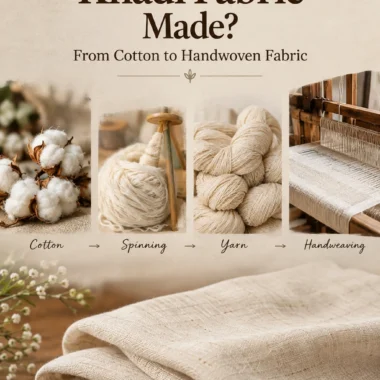
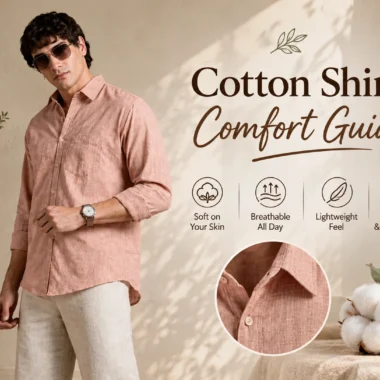
Khadi is a hand-spun, hand-woven natural fabric, usually made from cotton, though silk and wool versions exist too. The yarn is spun on a charkha (spinning wheel) and then woven on a handloom, with no power-driven machinery involved at any stage. This is precisely what makes Khadi different from ordinary "handloom" fabric — the yarn itself is handmade, not just the weaving. The result is a breathable, slightly textured cloth that stays cool in summer and warm in winter, which is exactly why pieces like a Khadi cotton casual shirt feel so comfortable through Indian seasons.
Ancient Roots: Khadi Before Gandhi
While Khadi is most associated with Mahatma Gandhi, hand-spinning and hand-weaving in India go back thousands of years. Evidence of developed cotton textile traditions has been traced to the Indus Valley Civilisation around 2800 BC, and spinning and weaving are referenced in the Rig Veda. The charkha itself remained part of rural Indian life through the Mauryan and Mughal periods, woven into the everyday economy long before it became a national symbol.
The Birth of the Khadi Movement
Everything changed in 1918, when Mahatma Gandhi made Khadi the centrepiece of the Swadeshi Movement — a campaign to boycott British-made cloth and revive Indian self-sufficiency. The first piece of hand-woven Khadi was created at his Sabarmati Ashram around 1917-18, and from there the idea spread fast. Gandhi asked every Indian, rich or poor, to spin a little yarn each day. It wasn't just about clothing; it was about dignity, labour, and economic independence for millions of villagers who had no other source of income.
Khadi and the Freedom Struggle
The charkha quickly became more than a tool — it became a political symbol. In 1921, the spinning wheel was placed at the centre of the Congress flag, representing self-reliance and resistance to colonial rule. Wearing Khadi was a quiet but powerful act of defiance: it meant rejecting British mill-made cloth and standing with India's own weavers. During the Non-Cooperation Movement and later the Civil Disobedience Movement, Khadi-clad crowds became one of the most visible images of the independence struggle. In 1925, Gandhi founded the All India Spinners Association to organise and scale up Khadi production across the country, turning a household craft into a nationwide economic programme.
After Independence: Institution and Identity
Once India gained independence in 1947, Khadi didn't fade away — it was institutionalised. The government set up the All India Khadi and Village Industries Board in 1953, which became the Khadi and Village Industries Commission (KVIC) under an Act passed in 1956. The goal was to keep rural spinners and weavers employed and to preserve Khadi as a livelihood, not just a memory of the freedom movement. For decades, Khadi remained associated mostly with politicians, civil servants, and a certain old-fashioned formality — useful, respected, but rarely "fashionable."
From Freedom Symbol to Fashion Statement
The real shift has happened in the last two decades, and it's accelerating in 2026. Designers discovered that Khadi's natural texture, breathability, and slightly imperfect handmade look are exactly what modern, sustainability-conscious shoppers want. Fast fashion's environmental cost has pushed both Indian and global consumers toward slow, handmade, biodegradable fabrics — and Khadi fits that brief perfectly, the same way it once fit Gandhi's brief of self-reliance.
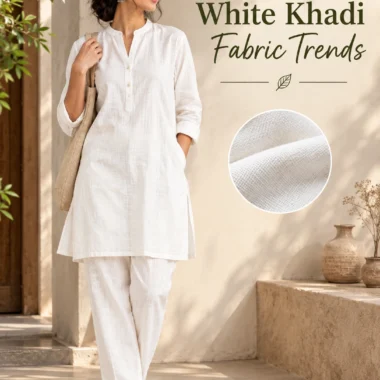
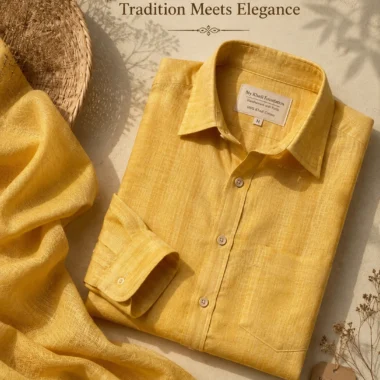
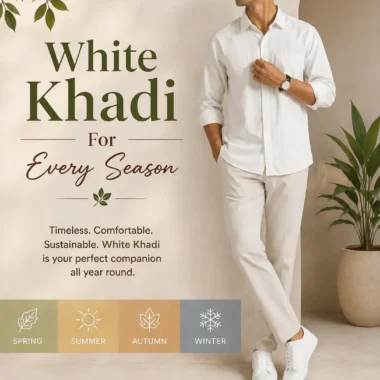
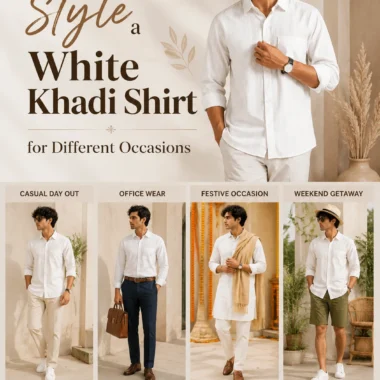
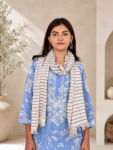
Today, Khadi shows up in tailored shirts, contemporary co-ord sets, stoles, and everyday fabric rolls for custom tailoring. A piece like the classic white Khadi dress shirt proves that the same fabric once worn at protest marches can now be worn into a boardroom. Similarly, the Khadi cotton stole collection shows how a once purely functional cloth has become a styling essential for women who want texture and breathability without giving up on ethics.
Why Khadi Fits 2026 Fashion So Well
- Sustainability: No electricity, no machines, low carbon footprint from spinning to weaving.
- Slow fashion appeal: Each piece carries the individual rhythm of the artisan who made it — no two pieces are identical.
- Comfort: Breathable in summer, insulating in winter — ideal for India's climate.
- Livelihood impact: Every purchase supports rural spinners and weavers directly, continuing the same self-reliance idea Gandhi championed a century ago.
- Versatility: From formal men's Khadi shirts to everyday women's Khadi wear, the fabric now adapts to nearly every occasion.
Khadi's Quiet Comeback as a Lifestyle Choice
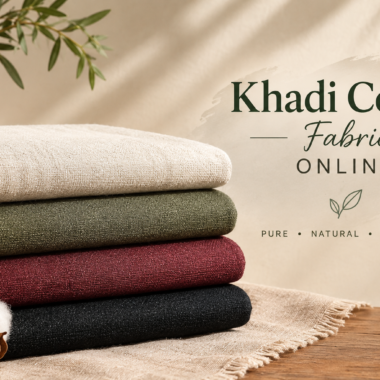
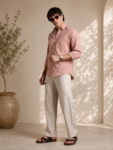
What makes this comeback interesting is that it's not nostalgia — it's practicality. People aren't buying Khadi in 2026 because it reminds them of the freedom struggle; they're buying it because it's genuinely better for the planet, for rural employment, and often for their own comfort. Brands that source directly from authentic handwoven Khadi fabric are giving this century-old cloth a second life — one that respects its roots while designing for how people actually want to dress today, whether that's a relaxed shirt for the weekend or fabric by the metre for a tailor-made outfit.
From the spinning wheel that powered a freedom movement to a fabric now chosen for its sustainability credentials, Khadi has quietly come full circle. It was once a symbol of what India refused to wear; today, it's a symbol of what conscious India chooses to wear. The story isn't finished either — every handwoven piece sold today adds one more chapter to a legacy that started with a single thread on a charkha over a hundred years ago.
Wear a Piece of Living History
Explore handwoven, ethically made Khadi clothing and fabric — crafted the same way it has been for generations, styled for the way you live today.