From Village Looms To Global Fashion: The Journey Of Khadi
How a humble hand-spun fabric born on Indian charkhas became one of the world's most respected sustainable textiles — and what it means for your wardrobe in 2026.
Long before "sustainable fashion" became a hashtag, India already had the answer spinning quietly on a wooden wheel in thousands of villages. That answer was Khadi — a hand-spun, hand-woven cloth that carried a nation's freedom struggle on its threads and is now walking runways from Paris to Mumbai. At My Khadi Foundation, we believe understanding this journey makes every Khadi garment in your wardrobe feel a little more meaningful. So let's trace the path — from village looms to global fashion.
1. The Birth of Khadi on the Village Loom
Khadi's story begins not in a design studio but in the courtyards of rural India. Before colonial rule disrupted the indigenous textile economy, hand-spinning and hand-weaving were everyday village skills, second only to farming as a source of livelihood. When mill-made, machine-spun imports flooded the Indian market in the 19th century, local weavers were pushed to the margins almost overnight.
It was Mahatma Gandhi who turned the charkha — the simple spinning wheel — into a symbol of self-reliance. He encouraged Indians to spin their own yarn and wear hand-woven cloth as an act of quiet resistance against colonial economic control. Khadi stopped being "just fabric" and became a political and cultural statement, worn by freedom fighters across the country.
Why this history still matters
Every metre of Khadi woven today is still rooted in that same philosophy: small-scale, decentralised, artisan-led production rather than mass industrial manufacturing. If you'd like the deeper freedom-movement story, we've covered it in detail in our earlier post, The History Of Khadi: From Freedom Movement to Fashion Statement.
2. From Independence to Institution: The Rise of KVIC
After independence, the Indian government formalised the legacy of village-spun cloth by establishing the Khadi and Village Industries Commission (KVIC) under the Ministry of Micro, Small and Medium Enterprises. KVIC's mandate was clear: protect traditional spinners and weavers, certify authentic Khadi, and keep rural employment alive through this craft.
This certification is why authenticity matters so much when buying Khadi today — genuine handspun, handwoven cloth is very different from machine-loom imitations sold under the same name. My Khadi Foundation is proud to be a KVIC-certified brand, sourcing directly from artisan clusters rather than power-loom factories.
3. The Craft Behind the Cloth
What actually makes Khadi different from ordinary cotton fabric? It comes down to process:
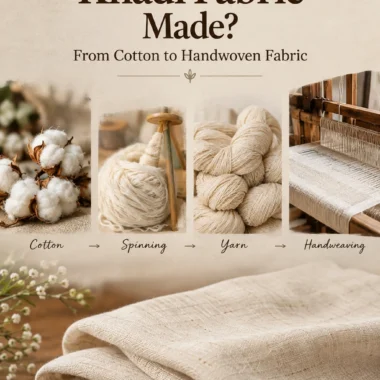
- Hand-spinning: Raw cotton, silk, or wool fibre is spun into yarn on a charkha — a slow process that gives the yarn its characteristic slight irregularity and texture.
- Hand-weaving: The yarn is then woven on traditional handlooms, often by a different artisan or family, making Khadi a genuinely community-made fabric.
- Zero power consumption: Unlike power-loom textiles, the entire process uses no electricity, making the carbon footprint of a Khadi garment far lower than mill-made cloth.
- Natural breathability: The looser weave structure traps less heat, which is why Khadi cotton feels cool in summer and, in wool or silk form, insulating in winter.
This is also why no two Khadi garments are ever truly identical — every piece carries the small, beautiful imperfections of the human hand that made it.
"Khadi is the sun of the village solar system. The planets are the various industries which can support khadi in return for the heat and the sustenance they derive from it." — Mahatma Gandhi
4. Why Khadi Fits Perfectly Into 2026's Sustainable Fashion Movement
Fast fashion's environmental cost — excessive water use, synthetic dyes, and overflowing landfills — has pushed conscious shoppers worldwide toward slow, ethical alternatives. Khadi checks almost every box that today's sustainability-conscious buyer is looking for: natural fibres, biodegradable cloth, fair-wage artisan labour, and a production process with one of the lowest carbon footprints in the textile industry.
It's no surprise that a growing number of Indian labels have built their entire identity around this fabric, helping to reposition Khadi from "freedom fighter's cloth" to a desirable, trend-forward textile for the global eco-conscious customer. The renewed interest has also encouraged innovation — from breathable Khadi shirting and structured trousers to richly woven Khadi-silk sarees and stoles, all using the same handspun foundation but styled for the modern wardrobe.
5. Khadi's Global Runway Moment
The most remarkable part of Khadi's journey is its leap from village courtyards to international fashion stages. Leading Indian designers have used Khadi as bridal wear and red-carpet fabric, mainstream textile manufacturers have launched dedicated Khadi collections, and in recent years Khadi-based labels have even featured at Paris Fashion Week — proof that a fabric born out of self-reliance can hold its own among the world's most prestigious fashion houses.
For India, this isn't just a style trend — it's a quiet economic revival. Rural artisan clusters that once struggled for livelihood are now part of a textile story being told on a global stage, with demand rising both domestically and from international buyers who want clothing with a genuine story behind it.
6. Bringing Khadi Into Your Everyday Wardrobe
You don't need a runway to enjoy Khadi — it works beautifully as everyday, versatile clothing. Here's how it typically fits into a modern wardrobe:
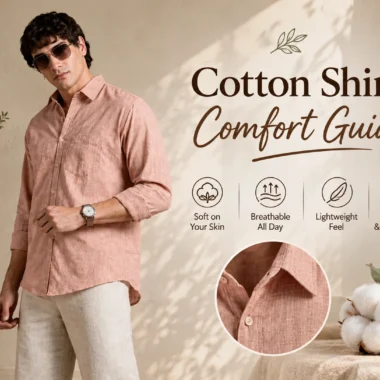
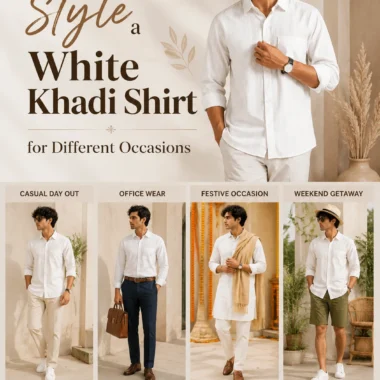
- Workwear: Crisp Khadi cotton shirts and tailored trousers offer breathable comfort for long working days.
- Casual wear: Relaxed-fit kurtas and shirts in earthy, handloom tones pair effortlessly with denim or cotton pants.
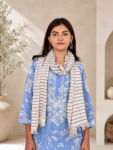
- Accessories: Lightweight Khadi stoles and dupattas add texture to both ethnic and western outfits.
- Occasion wear: Khadi silk sarees and Nehru jackets bring understated, handcrafted elegance to festive events.
Men's Khadi Shirts
Breathable handloom shirts for daily wear and formal occasions. Try the Mint Green Casual Shirt or the Classic White Dress Shirt.
Shop ShirtsKhadi Pants & Trousers
Pair your handloom shirt with comfortable, breathable Khadi cotton trousers for a complete look.
Shop PantsWomen's Khadi Wear
From kurtas to sarees, explore handwoven pieces — plus our popular Pack of 5 Khadi Stoles.
Shop Women's Wear7. Buying Khadi by the Metre
If you prefer getting your Khadi tailored to your own measurements, raw fabric is a wonderful option. It lets you choose the exact shade, weave, and fit you want — ideal for custom shirts, kurtas, or home styling projects.
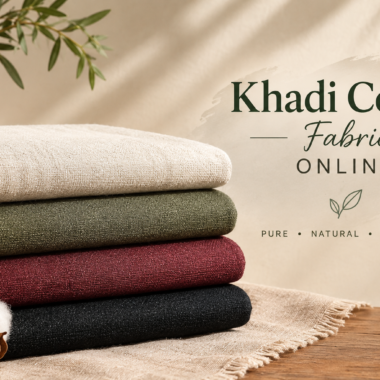
Explore our full range of handloom Khadi Fabric, available in cotton weaves suited for both shirting and trousers.
8. Why Authenticity Matters When You Buy Khadi
With Khadi's rising popularity, the market has also seen an increase in power-loom imitations marketed under the Khadi name. True Khadi is always hand-spun and hand-woven — a process that simply cannot be replicated by a machine loom at the same cost or speed. When you buy from a KVIC-certified source, you're not only getting authentic cloth, you're also directly supporting the rural artisans who keep this 100-year-old tradition alive.
Final Thoughts
From a freedom fighter's quiet act of resistance to a fabric celebrated on global fashion stages, Khadi's journey is unlike that of any other textile. It has survived colonial disruption, found institutional support through KVIC, and is now being rediscovered by a generation that values sustainability as much as style. Choosing Khadi today isn't just a fashion decision — it's a small but meaningful continuation of a story that began on a village loom over a century ago.