Khadi For All Seasons: Comfort, Style, Sustainability
There was a time when Khadi was seen as a "freedom fighter's fabric" — respected, but rarely chosen for everyday wardrobes. In 2026, that perception has completely flipped. From breezy summer shirts to layered winter ensembles, Khadi has quietly become one of the most versatile, climate-smart, and conscious fabric choices in Indian fashion. This blog breaks down exactly why Khadi works in every season, how to style it, and where to find authentic, handwoven pieces that actually last.
What Makes Khadi a True All-Season Fabric?
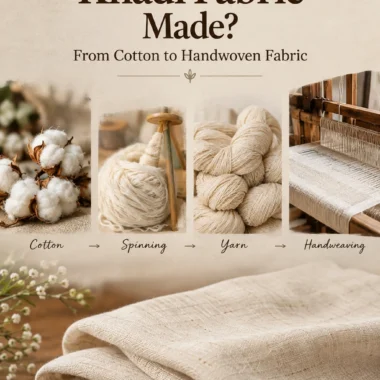
Khadiisn't one single fabric — it's a hand-spinning and hand-weaving technique that can be applied to cotton, silk, and wool. This is the real secret behind its all-season reputation. Unlike mill-made fabrics that are woven tightly and uniformly, Khadi yarn is hand-spun with slight irregularities, which creates tiny air pockets within the weave. These pockets trap air close to the skin in winter for natural insulation, and in summer, the same loose, breathable structure lets heat escape and air circulate freely.
This is exactly why you'll find Khadi cotton kurtas keeping people cool through Lucknow's blazing summers, and Khadi wool blankets keeping the same households warm through North Indian winters — all from the same core fibre philosophy, just spun differently for the season.
🌞 Summer
Light Khadi cotton shirts and stoles allow maximum airflow, keep sweat absorption high, and prevent skin irritation in humid weather.
🍂 Monsoon
Khadi cotton dries quickly compared to synthetic blends and doesn't trap moisture odour, making it ideal for humid, unpredictable weather.
❄️ Winter
Layered Khadi cotton, Khadi-wool blends, and stoles trap body heat naturally without the bulk of synthetic thermals.
Comfort: Why Your Skin Notices the Difference
Most fast-fashion fabrics are chemically treated, tightly woven, and finished with synthetic coatings to look "crisp." Khadi skips all of that. Because it's hand-spun and largely free of harsh chemical processing, it's naturally hypoallergenic, soft on sensitive skin, and gets even softer with every wash — the exact opposite of synthetic fabrics that start stiff and pill over time.
If you've ever worn a handloom cotton casual shirt through a full working day, you'll notice the difference by evening — no clinginess, no sweat patches, no itch. That's not marketing language, that's just how a breathable, hand-woven weave behaves against skin.
Style: Khadi Is No Longer "Just Traditional"
This is where 2026's fashion shift really shows. Khadi has moved far beyond plain white kurtas. Designers and homegrown labels are now using Khadi for structured shirts, mandarin-collar shirts, formal trousers, sarees with contemporary borders, and even minimalist office wear. The fabric's natural texture — that subtle handwoven grain — actually gives garments a premium, artisanal look that machine-made fabric can't replicate.
For Men
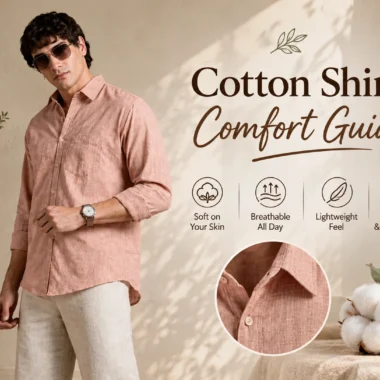
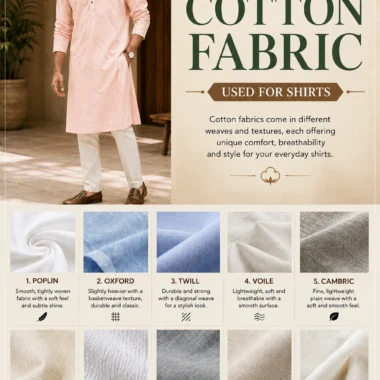
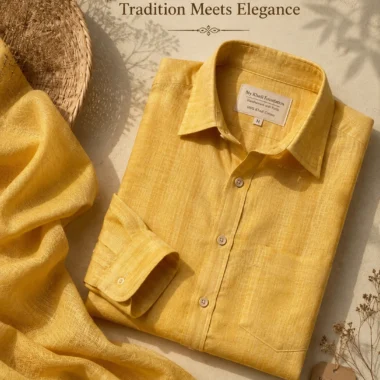
Men's Khadi fashion has expanded well beyond the kurta. A classic white Khadi dress shirt works just as well for formal occasions as a crisp mill-made shirt — but with better breathability and a story behind every thread. Pair it with Khadi cotton trousers for a complete handloom formal look, or go casual with a relaxed-fit shirt for daily wear. Browse the full range of men's Khadi cotton shirts to see how many styles now exist within this one category alone.
For Women
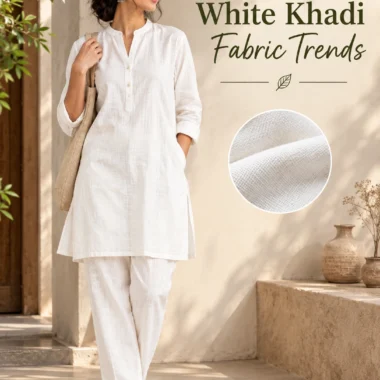
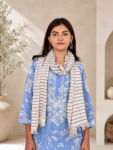
Women's Khadi wear has seen the biggest style evolution — kurtas, kurta sets, sarees, and lightweight accessories like stoles. A good Khadi stole is honestly one of the smartest seasonal buys you can make: light enough for summer evenings, warm enough to layer in winter, and elegant enough to dress up a plain kurta or a basic shirt instantly. The handloom cotton stole pack of 5 is a popular pick for exactly this reason — five seasonal colours, one fabric you can trust. Explore the complete women's wear collection for kurtas, sarees, and stoles in handwoven Khadi.
Sustainability: The Part That Actually Matters Long-Term
Fast fashion's environmental cost is well documented — heavy water usage, synthetic dyes, and garments that fall apart within a year. Khadi sits at the opposite end of that spectrum almost by design:
- Zero or minimal electricity use — spinning and weaving are done largely by hand, drastically cutting the carbon footprint compared to power-loom fabric.
- Rural livelihood support — every metre of authentic Khadi directly supports village artisans and weaver families, not factory assembly lines.
- Biodegradable fibre — being a natural fibre, Khadi cotton breaks down naturally instead of sitting in landfills for decades like polyester blends.
- Built to last — Khadi fabric is famously durable; it softens and improves with age and washing rather than degrading.
This is also why genuine certification matters. Look for Khadi that's certified by the Khadi and Village Industries Commission (KVIC) — it's the only real guarantee that what you're buying was actually hand-spun and hand-woven, and not a power-loom imitation sold under the "Khadi" label.
Khadi Fabric vs. Stitched Wear — Which Should You Buy?
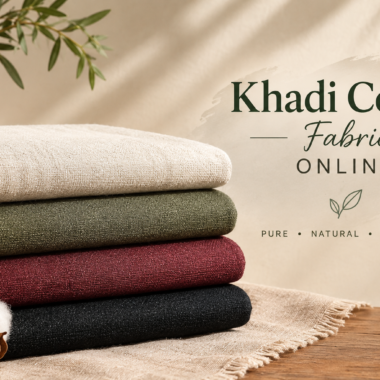
If you enjoy custom tailoring or already work with a trusted local tailor, buying raw Khadi fabric by the metre gives you full control over fit and design — perfect for shirts, kurtas, and trousers made exactly to your measurements. If you'd rather skip the tailoring step, ready-to-wear handloom pieces are now finished to the same quality standards as branded fast-fashion, minus the synthetic blends.
| Buying Option | Best For | Turnaround |
|---|---|---|
| Khadi Fabric (by metre) | Custom fit, tailored shirts/kurtas/pants | Depends on tailor |
| Ready-made Shirts/Kurtas | Quick, everyday wear, gifting | Ready to ship |
| Stoles & Accessories | Seasonal layering, instant styling | Ready to ship |
Caring for Khadi So It Lasts Even Longer
- Hand wash or use a gentle machine cycle in cold water for the first few washes.
- Avoid harsh detergents — Khadi's natural fibres respond best to mild soap.
- Dry in shade rather than direct harsh sunlight to preserve natural dye colours.
- Light starching (for cotton shirts) helps maintain that crisp handloom texture if you prefer a structured look.
Final Thoughts
Khadi in 2026 isn't a once-a-year, Independence-Day fabric anymore — it's a genuine, practical, all-season wardrobe staple that happens to also be sustainable and rooted in Indian craftsmanship. Whether it's a breathable summer shirt, a warm winter stole, or a tailored formal look stitched from raw fabric, Khadi adapts to the season and to you, not the other way around.
Build Your All-Season Khadi Wardrobe
Explore certified, handwoven Khadi shirts, women's wear, and fabric — straight from artisan looms to your wardrobe.
Shop My Khadi Foundation