-
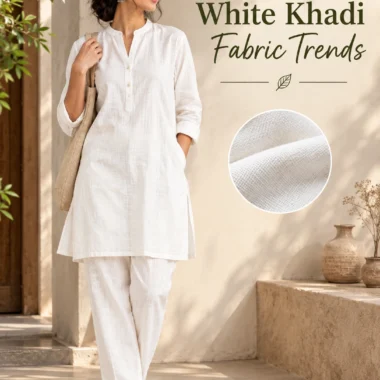
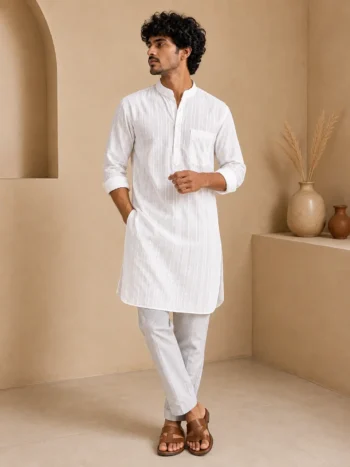
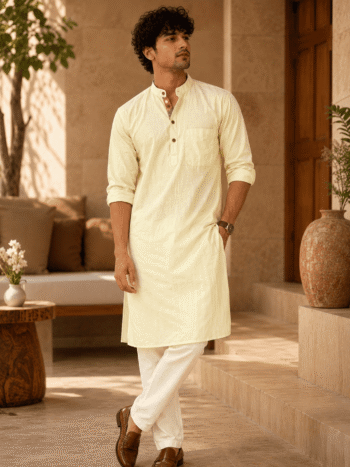
9 Best White Khadi Cotton Kurta for men : Avoid Basic Styles Original price was: ₹1,999.00.₹1,399.00Current price is: ₹1,399.00.Select options
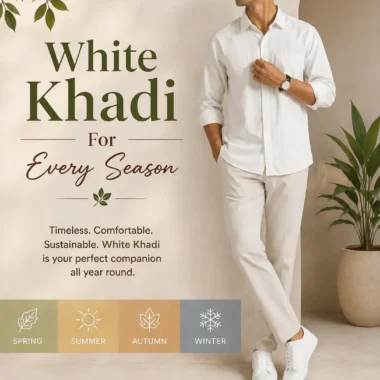
A classic white men’s kurta hand-spun and hand-woven from 100% pure Khadi cotton with a subtle textured stripe. Breathable, full-sleeve, regular-fit — perfect for festive wear, pujas, and everyday ethnic style. KVIC certified handloom craftsmanship.
Colour White
Fabric Cotton
-
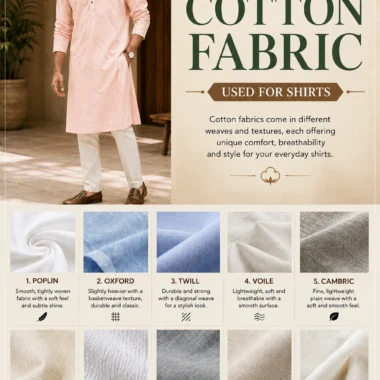
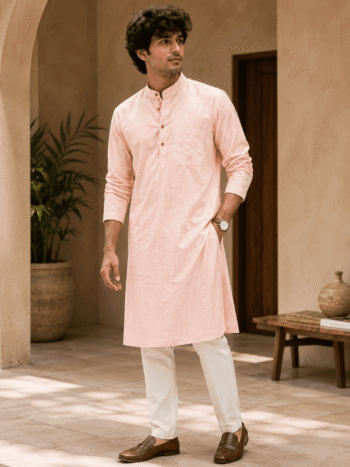
Buy Khadi Kurta for Men: Shop Cotton Baby Pink Kurta Original price was: ₹1,999.00.₹1,399.00Current price is: ₹1,399.00.Select options
Color Baby Pink Button Wooden Button Sleeves Full Sleeve Material Cotton Pocket Side Pocket Occasion Festive / Traditional / Casual -
Buy Khadi Kurta for Men: Shop Handwoven Cotton Styles Original price was: ₹1,999.00.₹1,399.00Current price is: ₹1,399.00.Select options
Color Light Olive Green Style Kurta Sleeves Full Sleeve Material Cotton Pocket Chest Pocket Occasion Festive / Traditional / Casual -
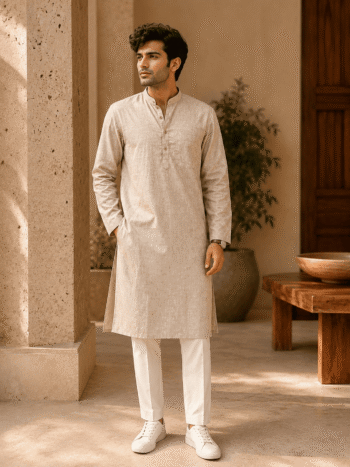
Buy Khadi Kurta for Men: Shop Sand Beige Cotton Styles 2026 Original price was: ₹1,999.00.₹1,399.00Current price is: ₹1,399.00.Select options
Color Sand Beige Button Wooden Button Sleeves Full Sleeve Material Cotton Pocket Side Pocket Occasion Festive / Traditional / Casual -
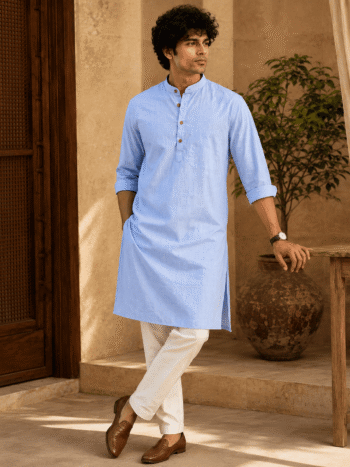
Buy Khadi Kurta for Men: Shop Sky Blue Cotton Styles 2026 Original price was: ₹1,999.00.₹1,399.00Current price is: ₹1,399.00.Select options
Color Sky Blue Button Wooden Button Sleeves Full Sleeve Material Cotton Pocket Side Pocket Occasion Festive / Traditional / Casual -
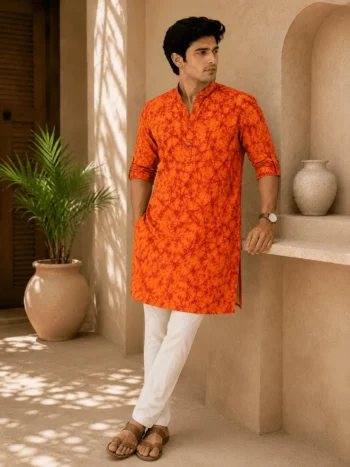
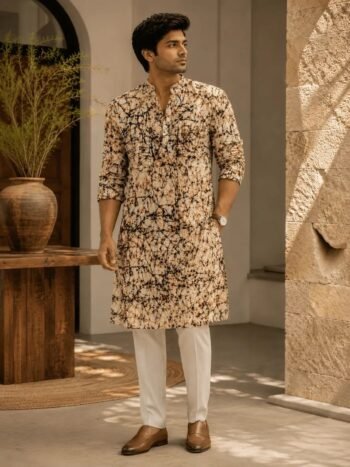
Buy Men’s Orange Batik Print Khadi Cotton Kurta Online – Premium Handcrafted Ethnic Wear Original price was: ₹2,499.00.₹1,649.00Current price is: ₹1,649.00.Select options
Handwoven from 100% pure Khadi cotton, this Men’s Batik Print Kurta features a full-sleeve regular fit, breathable fabric, and a rustic hand-done batik print crafted by rural artisans. KVIC certified, GST-compliant, and perfect for festive, casual, or semi-formal ethnic wear.
ish enough for festive occasions. KVIC-certified and rooted in India’s handloom heritage.
-
Buy Men’s Khadi Cotton Batik Print Kurta – Full Sleeve Ethnic Wear Original price was: ₹2,499.00.₹1,649.00Current price is: ₹1,649.00.Select options
Discover the elegance of handcrafted ethnic wear with our Men’s Khadi Cotton Batik Print Kurta, woven from 100% pure Khadi cotton for a soft, breathable feel all day long. Featuring a full-sleeve regular fit and a rustic hand-done batik print, each piece is crafted by skilled rural artisans, making it a unique and sustainable addition to your wardrobe. KVIC certified by the Government of India, this kurta blends tradition with everyday comfort — perfect for festive occasions, casual outings, or semi-formal gatherings. Pair it with our Khadi Trousers for a complete, effortless ethnic look.
-
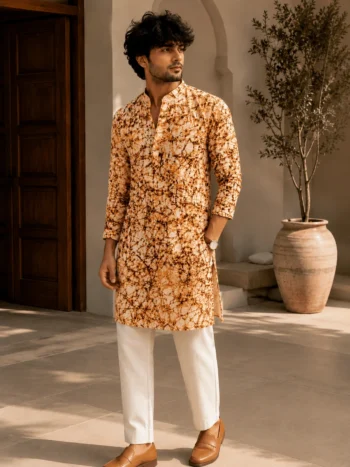
Buy Men’s Premium Batik Print Khadi Cotton Long Kurta – Beige & Brown Original price was: ₹2,499.00.₹1,649.00Current price is: ₹1,649.00.Select options
A premium beige and brown batik print Khadi cotton long kurta for men, handwoven and hand-printed by rural artisans using 100% pure Khadi cotton. Its elegant long silhouette, full sleeves, and earthy batik tones make it perfect for weddings, festive gatherings, and semi-formal occasions, while staying breathable enough for extended wear. Available in sizes 38, 40, and 42. KVIC-certified and crafted to celebrate India’s handloom legacy — pair it with our Khadi Trousers for a complete, sustainable ethnic look that supports rural artisan communities.
-
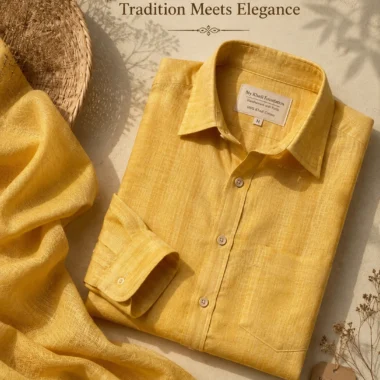
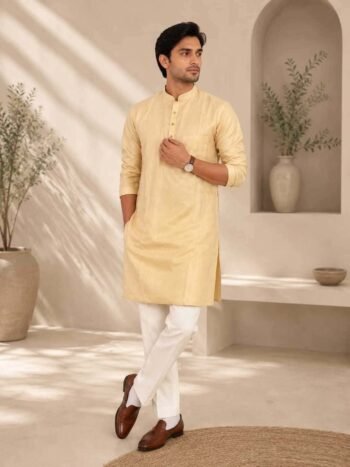
Men’s Khadi Cotton Ethnic Kurta – Butter Yellow Festival Kurta 2026 Original price was: ₹1,999.00.₹1,399.00Current price is: ₹1,399.00.Select options
Color Butter Yellow Button Wooden Button Sleeves Full Sleeve Material Cotton Pocket Side Pocket Occasion Festive / Traditional / Casual -
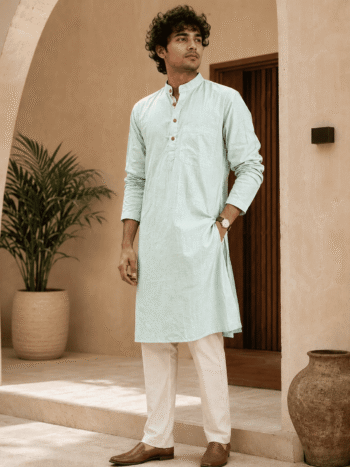
Men’s Khadi Cotton Ethnic Kurta – Mint Green Festival Kurta 2026 Original price was: ₹1,999.00.₹1,399.00Current price is: ₹1,399.00.Select options
Color Mint Green Button Wooden Button Sleeves Full Sleeve Material Cotton Pocket Side Pocket Occasion Festive / Traditional / Casual -
Men’s Khadi Cotton Ethnic Kurta – Sand Gold Handloom Kurta Original price was: ₹1,999.00.₹1,399.00Current price is: ₹1,399.00.Select options
Style Kurta Sleeves Full Sleeve Material Cotton Pocket Chest Pocket Occasion Festive / Traditional / Casual -
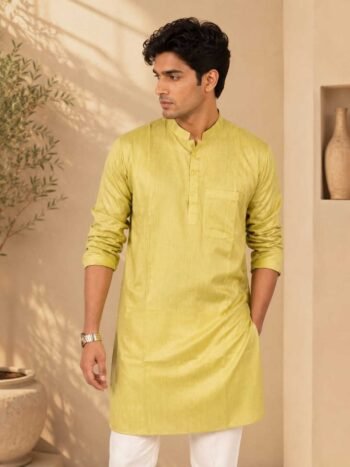
Men’s Khadi Cotton Kurta – Lemon Yellow Handloom Kurta Original price was: ₹1,999.00.₹1,399.00Current price is: ₹1,399.00.Select options
Color Lemon Yellow Style Kurta Sleeves Full Sleeve Material Cotton Pocket Chest Pocket Occasion Festive / Ethnic / Casual
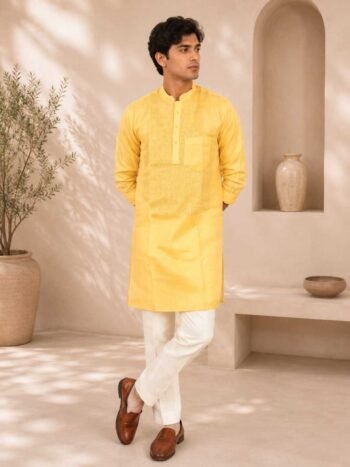
Beat the Heat: Why Khadi Should Be Your Summer Essential
Every year, as the mercury climbs past 40°C across most of India, the same question resurfaces in every wardrobe: what should I actually wear that keeps me cool? Synthetic fabrics promise "performance," cotton blends promise "comfort," but very few materials are built — literally, at the fiber level — for Indian summers the way Khadi is. This isn't a sentimental or nostalgic claim. It's a material science one.
What Makes Khadi Different at the Fiber Level
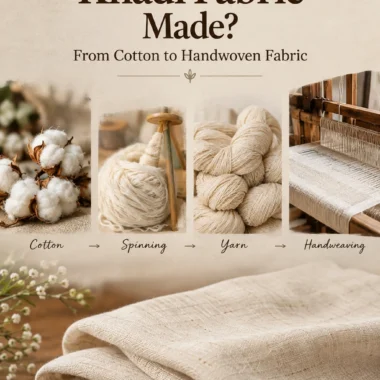
Khadi isn't just "handmade cotton" — that's an oversimplification. The real difference lies in how the yarn is spun. Khadi yarn is hand-spun on a charkha, which produces a yarn that is naturally uneven, slightly twisted, and irregular in thickness compared to mill-spun yarn. When this yarn is hand-woven on a loom, it creates a fabric structure with a more open, irregular weave — full of microscopic air pockets that machine-spun fabrics simply don't have.
This open weave structure is the foundation of everything that makes Khadi superior in heat: it allows continuous air circulation through the fabric, rather than against it. Synthetic fabrics like polyester and nylon, by contrast, are extruded from petroleum-based polymers into uniform, tightly-packed filaments — dense, closed, and resistant to airflow.
The Science of Breathability: Cellulose vs Polymer
Khadi cotton fiber is made of cellulose, a natural polymer that is inherently hygroscopic — meaning it actively absorbs moisture from the air and from your skin. Research on cotton-based Khadi fabric shows it can absorb close to 20% of its own weight in moisture without feeling wet or clingy against the skin. This single property explains why a Khadi shirt feels dry through a humid afternoon while a polyester shirt starts clinging within the hour.
Khadi's cellulose fibers pull sweat away from the skin into the fabric, instead of letting it sit on the surface.
The open, irregular weave lets absorbed moisture evaporate fast — this evaporation actively cools the skin.
The loose weave lets body heat escape continuously instead of building up between skin and fabric.
Unlike synthetic "wicking finishes," Khadi's breathability is a material property — it never washes off.
Synthetic fibers behave almost in reverse. Polyester and nylon are largely hydrophobic at the fiber level — they don't absorb moisture, they merely sit on top of it. Manufacturers add "moisture-wicking" finishes to compensate, but these are surface treatments, not material properties, and they wear off with every wash.
Khadi vs Synthetic — A Quick Comparison
| Property | Khadi Cotton | Synthetic (Polyester/Nylon) |
|---|---|---|
| Fiber Source | Natural cellulose | Petroleum-based polymer |
| Moisture Behaviour | Absorbs & releases (hygroscopic) | Repels, traps near skin |
| Heat Retention | Low — open weave dissipates heat | High — heat builds up over hours |
| Skin Friendliness | Minimal processing, low irritation risk | Chemical finishes, higher irritation risk |
| Long-Term Wear Comfort | Improves with every wash | Degrades, pills, loses finish |
| Biodegradable | Yes | No — sheds microplastics |
Why This Matters for Skin Health, Not Just Comfort
The breathability difference isn't only about temperature — it directly affects skin health over long hours of wear. When moisture and heat get trapped against the skin, as happens under synthetic fabric, it creates the exact conditions for heat rashes, fungal infections, and irritation, especially during long commutes, fieldwork, or daily outdoor activity in summer.
Khadi's natural, minimally processed cellulose structure avoids this almost entirely. Because authentic Khadi is produced without the heavy chemical finishing that synthetic and many mill-made fabrics undergo, it carries a much lower risk of triggering allergic reactions or skin sensitivity — particularly relevant for sensitive skin, children, and anyone wearing the same garment for 8–10 hours a day in extreme heat.
Long-Term Comfort: Where Synthetics Fall Apart
- Heat retention compounds over hours: Synthetic fibers trap body heat progressively through the day, while Khadi's open weave continues to release it.
- Odor build-up: Synthetic fabrics provide a surface for odor-causing bacteria to multiply in trapped moisture. Khadi's breathable structure resists this far better.
- Static and friction: Polymer-based fabrics generate static cling in dry heat and friction-related irritation against sweaty skin — natural cellulose fibers like Khadi simply don't do this.
- Fabric fatigue: Khadi softens and becomes more comfortable with every wash, while synthetic fabrics degrade and lose whatever finish was making them feel "wicking" in the first place.
In other words, synthetic fabric's comfort is front-loaded and decays with wear — Khadi's comfort builds with wear.
How to Build Your Khadi Summer Wardrobe
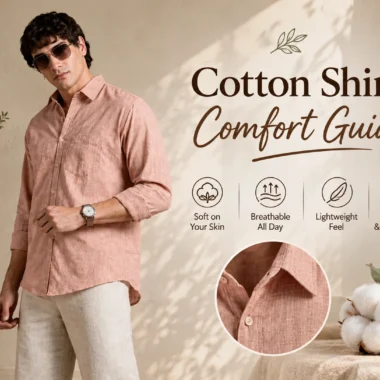
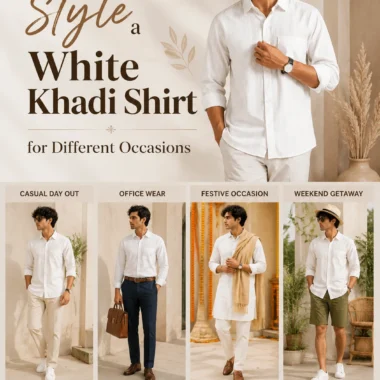
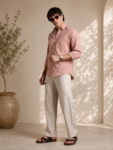
If you're making the switch this season, start with the pieces you wear most. A breathable Khadi shirt for men is one of the easiest places to begin — our Dusty Pink Casual Shirt is a good example of how soft, open-weave Khadi cotton translates into everyday comfort without sacrificing style.
For women, our Women's Wear collection brings the same breathable, skin-friendly Khadi cotton into kurtas, sarees, and stoles designed for long summer days. And if you prefer getting garments custom-stitched, browse our range of handloom Khadi fabric and pick exactly the weight, weave, and shade that suits your climate and style.
🌿 Beat the Heat, the Khadi Way
100% authentic, KVIC-certified Khadi clothing — Free Shipping, Cash on Delivery, and Easy Returns.
Shop Men's Shirts Shop Women's WearThe Bottom Line
Beating the summer heat isn't about finding a fabric with a clever marketing label — it's about understanding what a fiber actually does on your skin over a full hot day. Khadi's hand-spun, open-weave structure absorbs sweat, releases heat, and stays gentle on skin in a way synthetic fabrics, built from sealed petroleum polymers, simply cannot replicate. When you choose Khadi this summer, you're not just choosing tradition or sustainability — you're choosing the fabric that material science backs as genuinely better suited to the heat.