The Rise of Khadi in Contemporary Fashion
Once the fabric of India's freedom struggle, Khadi has quietly become one of the most desired textiles on runways, in wardrobes, and on Instagram feeds in 2026. What was once seen as a symbol of simplicity is now a symbol of conscious luxury.
Walk into any fashion week showroom this year and you will notice something interesting — the loudest trend isn't a new synthetic fabric or a flashy print. It's Khadi. A textile that is over a century old in its modern identity, and thousands of years old in its origin, is being reimagined by designers, worn by Gen-Z shoppers, and celebrated by sustainability advocates around the world. This shift isn't a coincidence. It's the result of a growing global conversation around slow fashion, ethical production, and the desire to wear clothing that actually means something.
At My Khadi Foundation, we've watched this transformation happen firsthand — from customers who once saw Khadi as "just something for festivals" to those who now build their entire everyday wardrobe around handloom cotton shirts, stoles, and fabric. In this blog, we explore why Khadi is having its biggest moment yet, and how you can be part of this movement.
A Fabric Born From a Movement
Khadi's story begins with Mahatma Gandhi, who turned the humble spinning wheel into a symbol of self-reliance during India's freedom movement. Wearing Khadi wasn't a fashion choice back then — it was an act of resistance against imported, machine-made British cloth. Every thread spun by hand represented economic independence and dignity for local artisans.
For decades after independence, Khadi remained associated mostly with politicians, activists, and formal khadi bhandars. But fabric doesn't stay frozen in history forever. Somewhere between the slow fashion movement gaining global traction and Indian consumers rediscovering pride in indigenous crafts, Khadi began its second life — this time as a style statement rather than just a political one.
Why Khadi Is Dominating 2026 Fashion Trends
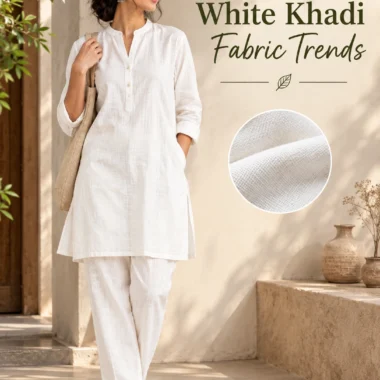
If you've been paying attention to recent fashion weeks, you'll have noticed Khadi appearing far beyond kurtas and dhotis. Designers are pairing handspun cotton with oversized blazers, structured jackets, relaxed co-ord sets, and even summer dresses. Several big names on the runway circuit have showcased khadi collections that mix traditional weaving techniques like block printing and kantha embroidery with distinctly modern, minimal silhouettes.
There are a few clear reasons behind this resurgence:
- Sustainability is no longer optional. Handloom weaving uses little to no electricity and produces far less textile waste compared to industrial manufacturing, making Khadi one of the most genuinely eco-friendly fabrics available today.
- Gen-Z values authenticity over logos. Younger shoppers are actively choosing heritage textiles and artisan-made pieces over mass-produced fast fashion, and social media has made "slow fashion" aspirational rather than old-fashioned.
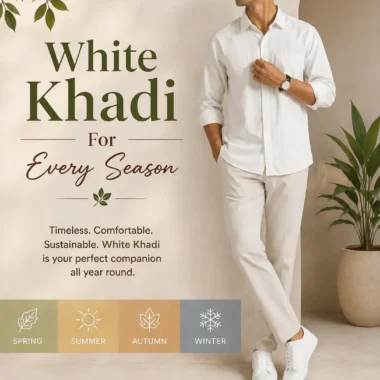
- Comfort meets climate. Khadi cotton breathes beautifully in Indian summers while offering warmth in winter, making it one of the most practical fabrics for year-round wear.
- Livelihood and impact. Every Khadi purchase directly supports rural weavers and spinners, keeping generations-old craftsmanship alive.
Did you know?
India's relationship with hand-spun, natural fibre clothing dates back thousands of years, long before Khadi became a political symbol. What we're seeing in 2026 isn't a trend — it's a homecoming to fabrics that were always suited to Indian life and climate.
Modern Silhouettes: How Designers Are Reworking Khadi
The biggest shift in contemporary Khadi fashion is silhouette. Designers are no longer limiting the fabric to traditional drapes. Instead, you'll find:
- Structured Khadi shirts and jackets for smart-casual and office wear
- Relaxed, breathable co-ord sets for travel and everyday comfort
- Handwoven stoles and dupattas styled as everyday accessories, not just occasion wear
- Minimal, solid-tone Khadi pieces that pair easily with Western basics
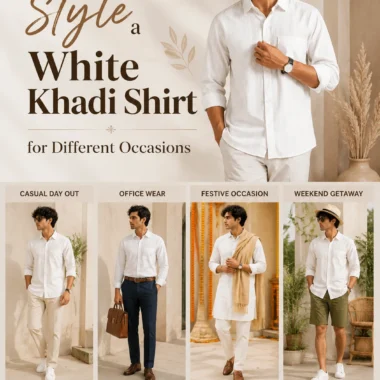
This versatility is exactly why Khadi now fits into a modern, mix-and-match wardrobe instead of sitting in a section reserved for "ethnic wear only." A crisp Khadi shirt looks just as at home in a boardroom as it does on a weekend brunch table.
Everyday Khadi for Men
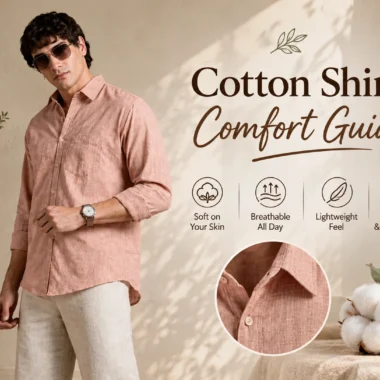
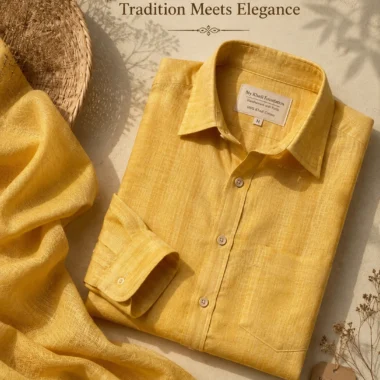
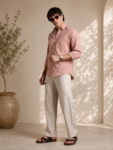
Menswear has seen one of the strongest shifts. Handloom shirts in relaxed cuts and calming colours are replacing synthetic formal shirts in many wardrobes. If you're exploring this shift yourself, our Mint Green Handloom Casual Shirt is a great example of how Khadi cotton can look effortlessly contemporary, while our Classic White Khadi Dress Shirt proves that handwoven fabric can be just as sharp and formal as any mill-made shirt — minus the synthetic feel.
Everyday Khadi for Women
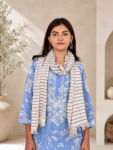
For women, one of the easiest ways to bring Khadi into a daily wardrobe is through stoles and layering pieces. They add texture and warmth without overwhelming an outfit, and they work equally well over a kurta or a plain Western top. Our Khadi Cotton Stole – Pack of 5 is designed exactly for this kind of everyday versatility, giving you multiple colour options to match different outfits through the week.
Sustainability: The Real Reason Khadi Is Winning
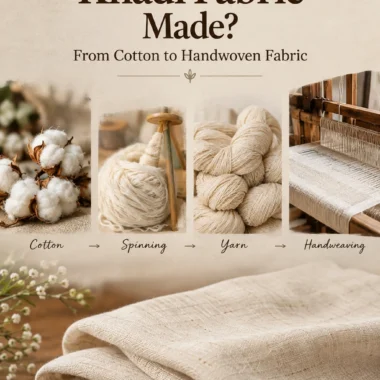
Fast fashion has a real cost — one that isn't reflected in the price tag. Mass-produced garments often rely on synthetic fibres, heavy water usage, and labour practices that rarely make it to the label. Khadi flips that entire model. It is spun and woven by hand, uses minimal machinery, and directly supports the livelihoods of rural artisans and weaver communities across India.
When you choose Khadi, you're not just choosing a fabric — you're choosing a slower, more mindful supply chain. Every piece carries the imperfections and character of human hands, which is exactly what makes it different from anything churned out by a factory line.
Khadi isn't just a heritage textile anymore — it's a canvas for contemporary design, carrying stories of sustainability, slow craft, and soulful making.
Styling Tips: Wearing Khadi the Modern Way
- Keep it minimal: Let the texture of the fabric speak for itself. Pair a solid Khadi shirt with plain trousers or denim instead of over-accessorising.
- Mix textures: Layer a Khadi stole over a plain cotton top or a structured blazer for an easy elevated look.
- Go seasonal: Lightweight Khadi cotton works beautifully for summer, while thicker Khadi weaves and layered pieces suit winter mornings.
- Invest in basics first: A white Khadi shirt or a set of neutral stoles are the easiest starting points if you're new to handloom fashion.
Why Choose My Khadi Foundation
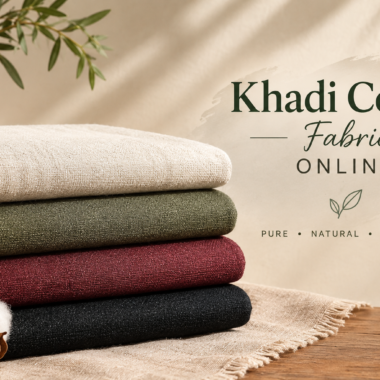
At My Khadi Foundation, every piece we create is rooted in genuine handloom craftsmanship. From our men's shirts to women's stoles, and our range of pure Khadi fabric for those who love to design their own outfits, we work directly to keep traditional weaving alive while making it relevant for how people actually dress today — in 2026 and beyond.
Whether you're building a minimal capsule wardrobe or simply looking to add one honest, well-made piece to your closet, Khadi offers something fast fashion never can: a story, a craft, and a connection to the people who made it.
Ready to Bring Khadi Into Your Wardrobe?
Explore handloom shirts, stoles, and pure Khadi fabric — made by artisans, styled for today.
Shop My Khadi Foundation