The Science Behind Khadi's Breathability and Comfort
Why a hand-spun, 2800-year-old fabric is still the most comfortable thing you can wear in 2026 — and how one Khadi kurta or saree can dress you for five completely different occasions.
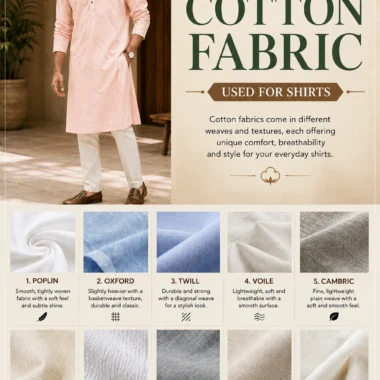
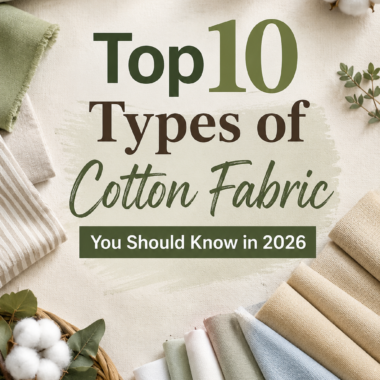
Every summer, the same debate resurfaces in Indian wardrobes: cotton or linen, khadi or synthetic blends, "breathable" fabric versus "cooling" fabric. But if you actually look at the textile science, khadi cotton fabric isn't just another entry in that debate — it's built differently at a fibre level, and that difference is exactly why it feels the way it does against skin. This isn't marketing language. It's physics, chemistry, and a few thousand years of hand-craft working together.
In this piece, we'll break down the actual science of why pure khadi fabric breathes the way it does, and then get practical — showing you how one simple khadi kurta or saree can be styled for five completely different occasions: office, date night, brunch, a wedding as a guest, and a lazy casual day out.
What Makes Khadi Different From Regular Cotton
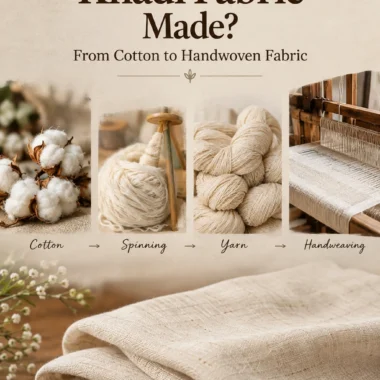
Most fabric you buy off the rack is powerloom cotton — spun and woven by machines at high tension and high speed. Khadi is the opposite. It is hand-spun on a charkha and hand-woven on a pit loom, at low tension, by artisans. That single difference in process is where the science begins.
Because the yarn is spun by hand at low tension, the individual cotton fibres retain their natural staple length instead of being stretched and flattened. This creates a yarn that is slightly irregular, slightly slubby — and critically, full of microscopic air pockets that machine-spun yarn simply doesn't have. When that yarn is then hand-woven, the weave itself stays looser and less compact than powerloom fabric. The result is a textile with far more open structure for air to move through.
1. Natural Air Pockets and Temperature Regulation
The loose, slightly uneven weave of khadi creates tiny air channels running through the cloth. In summer, these channels let heat escape from the skin instead of trapping it against the body, which is what keeps you cooler in a khadi kurta than in a tightly woven synthetic shirt on the same afternoon. In cooler weather, those same air pockets trap a thin layer of warm air close to the body, giving khadi a mild insulating effect. It's the same mechanism, working in both directions — which is why khadi is genuinely a year-round fabric, not just a summer one.
2. Moisture-Wicking Through Capillary Action
Cotton fibres are hydrophilic — they naturally attract water. When you sweat, the cellulose structure of khadi pulls that moisture away from the skin through capillary action and spreads it across a wider surface area of the fabric, where it evaporates faster. This is the same principle behind why cotton generally outperforms synthetic blends in humid climates, and khadi's looser weave gives it even more surface area to work with than tightly spun cotton. The practical result: less clinging, less sticky feeling, faster drying.
3. Skin-Friendly by Nature
Khadi undergoes minimal chemical processing compared to industrially finished fabrics. No heavy resin treatments, no synthetic softeners — just cotton, spun and woven. That makes it noticeably gentler on sensitive skin, and one of the more genuinely eco friendly clothing choices available, since the entire process from spinning to weaving uses little to no electricity.
One Khadi Piece, Five Occasions: How to Style It
At My Khadi Foundation, a KVIC-certified handloom house, this is the question we hear most: "Can I really wear the same khadi kurta to work and to a wedding?" With the right styling, yes — and here's how, occasion by occasion.
01 Office
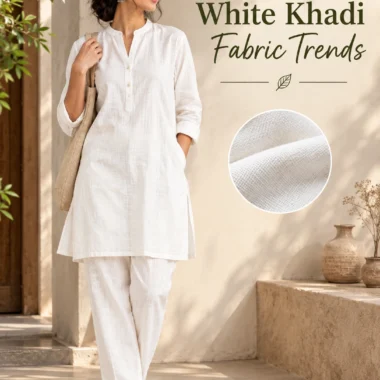
For work, structure and crispness matter more than embellishment. A Classic White Khadi Dress Shirt tucked into tailored trousers, with minimal accessories and closed shoes, reads as polished and professional — while the breathable weave keeps you comfortable through back-to-back meetings and long commutes, something a synthetic formal shirt simply can't match by 4 pm.
02 Date Night
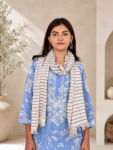
Swap your everyday palette for richer tones — wine, indigo, deep mustard. A darker khadi kurta or shirt, sleeves slightly rolled, paired with minimal jewellery, works just as well for a candlelit dinner as a designer outfit would. For women, layering a finer Khadi cotton stole as a shoulder drape adds an effortless, elegant finish without weighing the outfit down.
03 Brunch
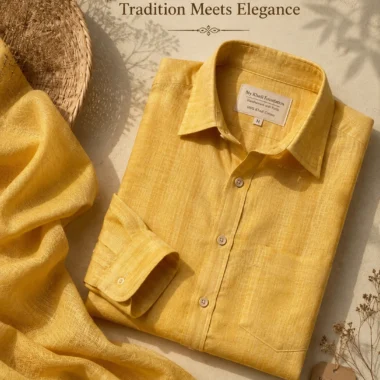
Brunch calls for outfits that look put-together in photographs but feel like no effort was involved — and this is khadi's natural strength. A Mint Green Casual Khadi Shirt worn open over a plain tee, sleeves pushed up, paired with jeans and sneakers, is an easy weekend-appropriate look that still photographs beautifully thanks to khadi's natural handloom texture.
04 Wedding Guest
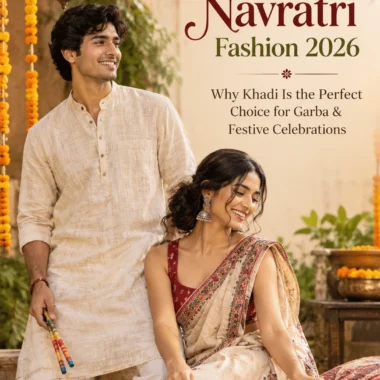
This is where most people assume khadi can't compete with heavier silks — and that's the misconception worth breaking. Choose a khadi silk or gota-detailed piece over plain cotton for extra festive shine, layer with a Sadri or Nehru jacket in a contrasting shade, and go slightly heavier on accessories. You get festive-wear status without the heat and weight of velvet or brocade — which matters a great deal at a summer wedding.
05 Casual Day Out
And finally, the look khadi was born for: completely casual, completely comfortable. A loose khadi kurta for men thrown over straight-fit jeans, or a relaxed khadi kurti for women with palazzos, sleeves pushed up, a stole tied loosely as a scarf — this is the "I didn't try too hard but it works" outfit, and the breathable weave means it stays comfortable from morning errands to an evening walk.
Want the full breakdown, with more layering and accessory ideas for each look? Read our detailed style guide, One Fabric, Five Looks.
Why Choose Khadi Over Other "Breathable" Fabrics
Linen is breathable too, but it wrinkles aggressively and can feel rough until repeatedly worn in. Poly-cotton blends resist creasing but trap heat and moisture, defeating the purpose of breathable clothing altogether. Pure khadi cotton sits in the sweet spot — genuinely breathable, softens with every wash instead of thinning out, and holds a crease well enough to look neat without ever feeling stiff. It's also one of the more honestly sustainable clothing India has to offer: hand-spun, hand-woven, low on electricity and chemical use, and directly supporting rural artisan livelihoods with every purchase.
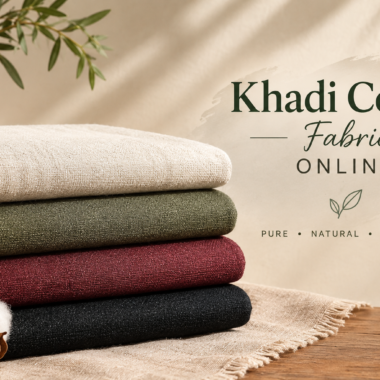
If you're shopping for organic fabric India-wide, or simply want to buy khadi online from a source that's transparent about its craft, look for KVIC certification and hand-loom origin — machine-finished "khadi-look" fabric doesn't carry the same breathability or the same story.
Ready to feel the difference for yourself? Explore our handloom collection.
Shop Men's Khadi Shirts Shop Women's Khadi Wear Shop Khadi FabricAll khadi pieces at My Khadi Foundation are hand-spun and hand-woven by artisans under KVIC certification — genuine handloom fabric, made the way it has been for centuries, styled the way you actually live in 2026.